

The whole concept of yoga can be a daunting quest to embark on. With a rich history that often promises the pathway to freedom, yoga can be a great practice to incorporate into your everyday life. But there are many yoga phrases and things to learn, which can make starting yoga a difficult task. But don’t worry, we are here to help!
If you are looking to learn more about yoga and want to get a head start before your first class, then this article is for you! Here you will find some of the most basic yoga phrases that will leave you feeling confident and moving through Surya Namaskar (sun salutations) in no time!
Want to really immerse yourself in the world of yoga and jump right into discovering how yoga can bring you more acceptance and peace? Consider taking part in one of Blue Osa’s yoga teacher training programs! From a 14-day, 200-hour course to an advanced 300-hour course, you can be sure to find something for yourself!
Why You Should Know Basic Yoga Phrases
We’ve all been there. At some point or another, we have all been “the new student”. You have bought your first yoga mat, signed up for your first class, and are ready to breathe. The smell of incense fills your nose and you immediately feel at peace. Sitting comfortably in sukhasana (a seated cross-legged posture) you close your eyes and take a deep inhale. But then the teacher says something like, “focus on your Drishti”. And you suddenly feel lost.
You’re not alone. Even those practicing for years had to start somewhere and learn these common yoga phrases.
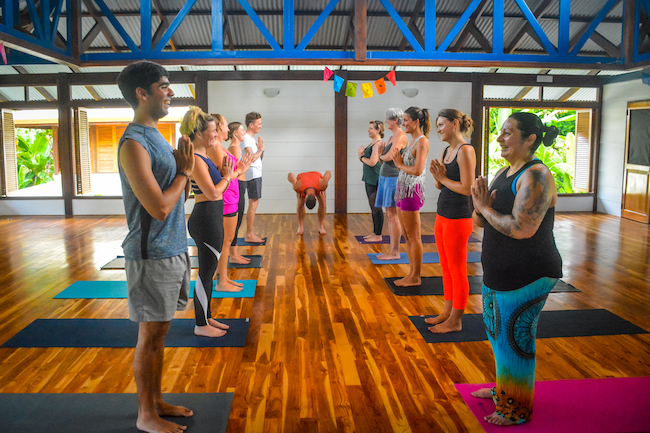
Below is a list of common yoga phrases that will immerse you into the world of yoga and feel confident in taking the first step towards the rest of your life. It is by no means an exhaustive list but it will help you to better understand key yoga terms and prepare you for your first class.
Common Yoga Phrases You Should Know
What are Asanas?
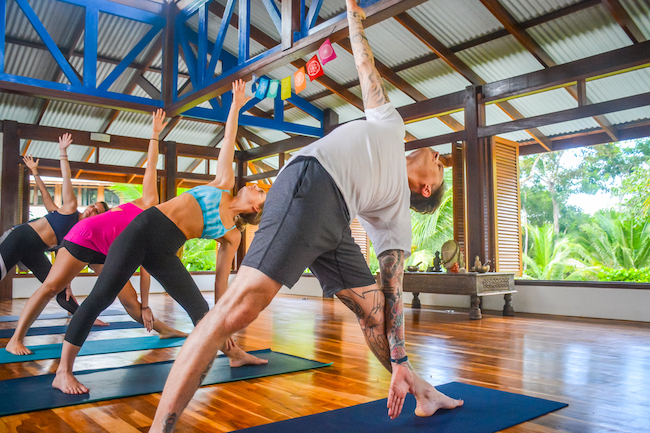
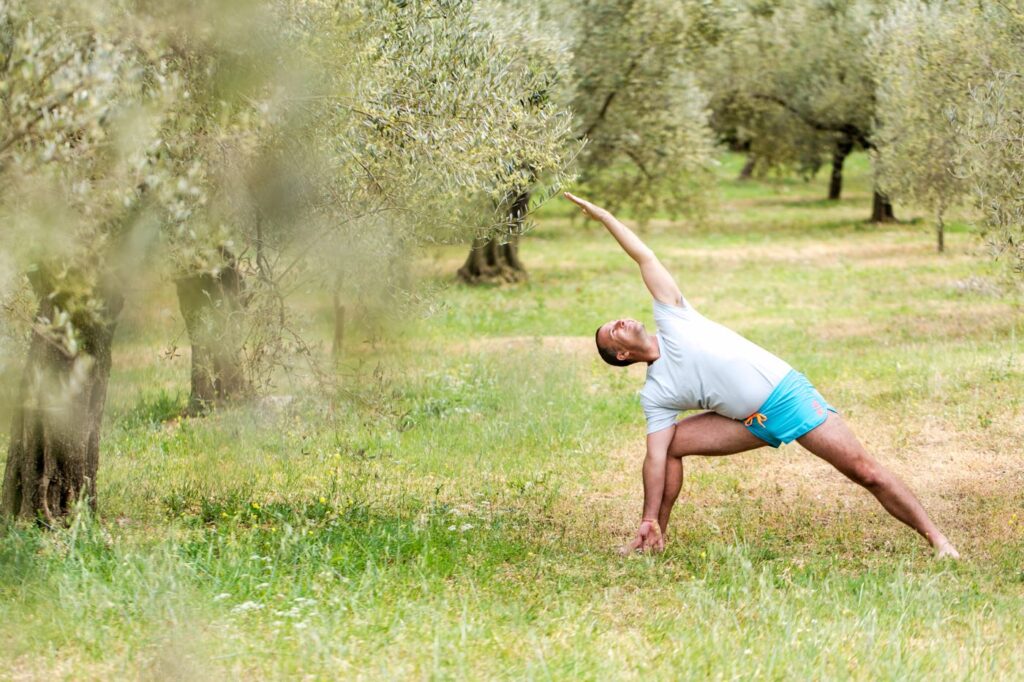
One of the great yogis, Patanjali, defines asanas as “seated in a position that is firm, but relaxed.” Asana is essentially the physical practice of yoga and the different postures that you will most likely move through during your practice. Many of the poses that you hear such as triangle pose (trikonasana) and half-moon pose (Ardha Chandrasana) are examples of common asanas.
When You’ll Hear It: The word asana will be used in a yoga class when talking about a yoga pose. In Western yoga classes, you are primarily practicing yoga asanas as you move throughout different yoga poses and postures.
How do I engage my Bandhas:
Literally translating to “bond or arrest,” a bandha is a body lock that is used to regulate the flow of prana (breathe) through the body. Bandhas are commonly used in the Hatha style of yoga. There are three bandhas that you’ll hear about.
- Mula Bandha (the root lock): This is the contraction of the abdomen into the rib cage, therby massaging your inner organs
- Jalandhara Bandha (the throat lock): Achieve this banda by tucking the chin close to the chest to help regulate the circulatory and respiratory systems
- Maha Bandha: This is the combination of all three.
When You’ll Hear It: Bandhas are used to block energy flow to certain areas. Once the energy is blocked and built up, it is released to flow more strongly and flood the body with energy. Physically, the bandhas help keep your hormonal, sexual, metabolic, and digestive systems (among others) healthy. In a spiritual sense, they help to work on consistent single-pointed concentration, steady and long breathing. They also help enforce a calm and clear mind.
How are Chakras important:
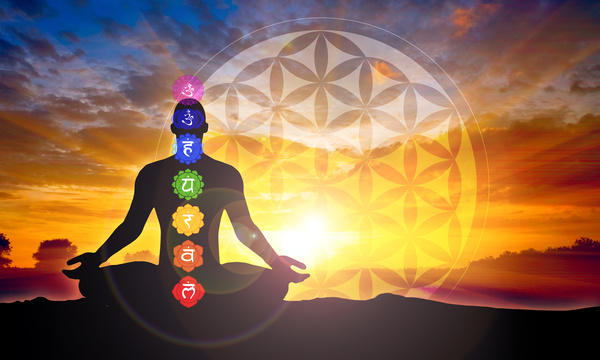
Throughout the body, seven chakra locations help energy flow through you. Starting from the bottom of the spine, your chakras move all the way to the top of your head. In a healthy body, the seven chakras are all balanced and energetically in harmony. If not, then problems can occur. The seven chakras are:
- Root Chakra: (Muladhara) located at the base of the spine and is associated with the color red. This chakra serves as basic survival needs such as security
- Sacral Chakra: (Svadhisthana) located right below the belly button and is associated with the color orange and creativity
- Solar Plexus Chakra: (Manipura) located behind the abdomen and is associated with the color yellow and self-confidence
- Heart Chakra: (Anahata) located in the center of your chest and is associated with the color green and love, compassion and kindness
- Throat: (Vishuddha) located in the throat and is associated with the color blue and personal truth
- Third Eye: (Ajna) located just above the middle of your eyebrows and is associated with the color indigo and wisdom.
- Crown: (Sahasrara) located at the top of the skull and is associated with the color white and connection with the universe.
What Does it Mean to Have a Blocked Chakra?
Certain poses or daily actions can help clear blockages or balance the energy of specific chakra points. For example, camel pose (ustrasana) is very good for opening the heart chakra. Practices of self-love such as compassion and gratitude during meditation can also help to balance and strengthen the heart chakra. There are many healing benefits of chakras so if you are feeling a little “off” perhaps consider focusing your attention inwards. You might be surprised at how much chakras can help you heal.
What is Chaturanga Dandasana:
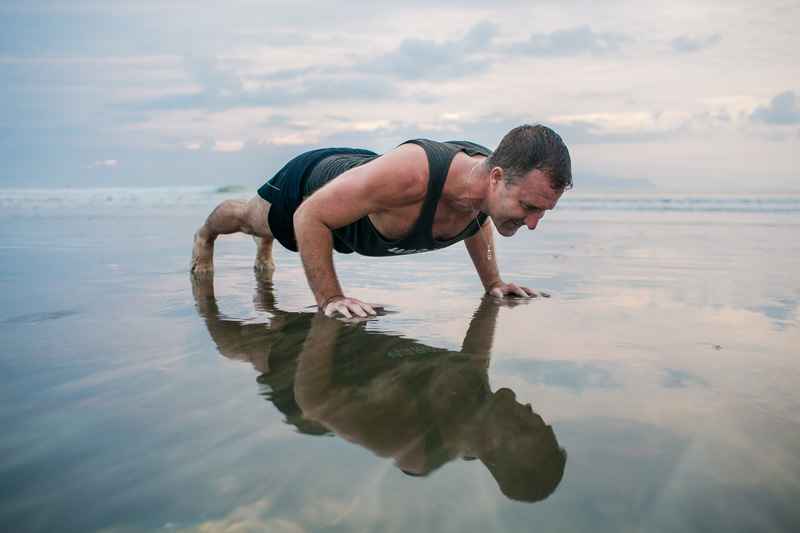
As a common yoga posture or asana, chaturanga is a common phrase you will hear during your yoga practice. Also known as a low plank or four-limbed staff pose, chaturanga encourages the body to be straight and parallel to the ground. It is supported by the toes and palms, with elbows at a right angle.
When You’ll Hear It: Chaturanga is a transition pose between a high plank and upward facing dog. It is commonly practiced during sun salutations and vinyasa flows. This pose helps to strengthen the whole body from arms to core to legs.
How do I work my Drishti:
Drishti means a focused gaze or concentrated intention. It relates to the fifth limb of yoga concerning sense withdrawal – as well as the sixth limb relating to concentration. It is easy to associate with the saying “where focus goes, energy flows.” Therefore, if you concentrate on an intention or action then you are more likely to have it manifested in your life.
When You’ll Hear It: Drishtis are used to help students physically focus on a particular point. This is often used to help with balance in standing postures. For example, the tree pose. They can also be used to help with mental focus and achieving goals by choosing a concentrated intention in life.
What Does it mean to Elongate the Spine:
This is a phrase you will often hear during a yoga practice. It is the act of straightening the spine and reaching up through the crown (or top) of the head. If you suffer from upper back pain then this is a term that you should try to keep in mind.
When You’ll Hear It: “Elongate the spine” is a yoga phrase used to help students focus on keeping the spine long and straight. It also helps to protect the spine from injury as well as to strengthen and realign the vertebrae.
Why it is Important to Exhale in Yoga:
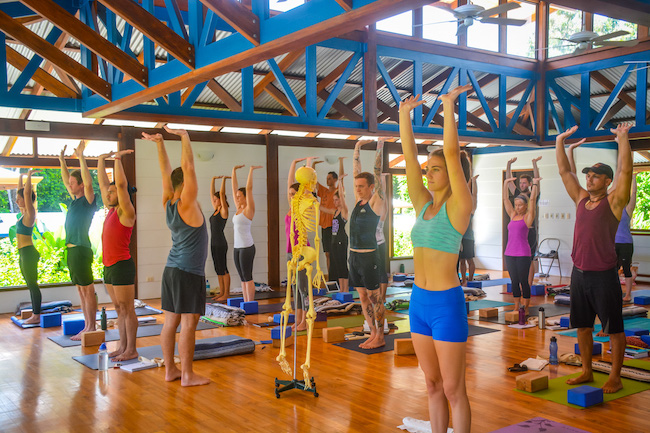
This is the act of breathing out. A term many of us are most likely already aware of but a key yoga phrase to incorporate into a yoga practice. In yoga, exhaling is typically done in a prolonged and controlled fashion. It is a great term to focus on when engaging in different breathing exercises.
When You’ll Hear It: Many teachers will remind you to exhale in several situations during yoga classes for example:
- As you move into yoga postures
- When moving deeper into a posture
- After moving out of yoga postures.
Exhaling helps to release tension so you can easily move more deeply into a pose. When first practicing yoga, it is common for students to unintentionally hold their breath as they are moving. Reminding students to exhale is a gentle reminder to continue breathing as they are moving through the practice.
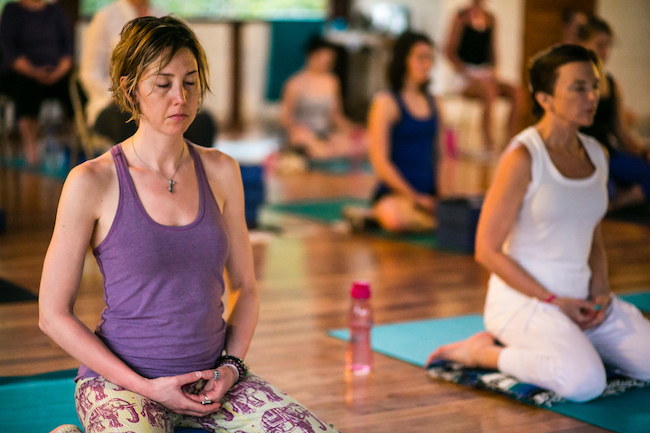
What is Fascia:
Fascia is the thin tissue that surrounds muscles and organs. This fibrous tissue tends to be tight and yoga helps to loosen and relax these fibers for increased mobility. Fascia even has nerves that make it almost as sensitive as skin!
When You’ll Hear It: It’s common for yoga teachers to focus on stretching the fascia in side body stretches. For example, triangle pose and side angle. This can especially come into play with breathing in side stretches as deep inhales will expand the rib cage and stretch the fascia around the ribs and internal organs.
Why is it Important to Inhale in Yoga:
Similar to “exhale”, inhaling is another common term that many of us know but is very important to incorporate in a yoga practice. Inhaling is the act of breathing in, typically in a prolonged and controlled fashion.
When You’ll Hear It: Many teachers will remind you to inhale in several situations during yoga classes. For example:
- Before moving into yoga postures
- Expanding before moving deeper into a posture
- When moving out of yoga postures
Throughout your yoga practice, it’s important to have intentional breathing because this will allow you to deepen your flow and become more in tune with your inner body.
What is an Inner Rotation:
This is a queue for students to twist limbs such as arms or legs so that they rotate towards the centerline of the body. This is an important yoga phrase because it can help to create balance with your center.
When You’ll Hear It: You’ll hear instructors use the yoga phrase, “inner rotation” when they want you to open up space in certain areas of the body. In the West, typical postures can leave desk workers with lower back problems. There are many poses that can be performed to counteract this, such as a wide-legged forward fold. In this posture, you may be asked to focus on rotating your thighs inward. This will help you to increase the range of your forward fold and stretch your lower back.
What are Mantras:
A mantra is a short saying, sound or chant that is intended to invoke a certain feeling, deity or empowering emotion. Typically spoken in Sanskrit, mantras are often used for meditation purposes.
When You’ll Hear It: One of the most commonly used mantras is “om”. Mantras are used in conjunction with yoga classes or on their own in your daily life. Mantras can be especially helpful if you need some help in your daily life.
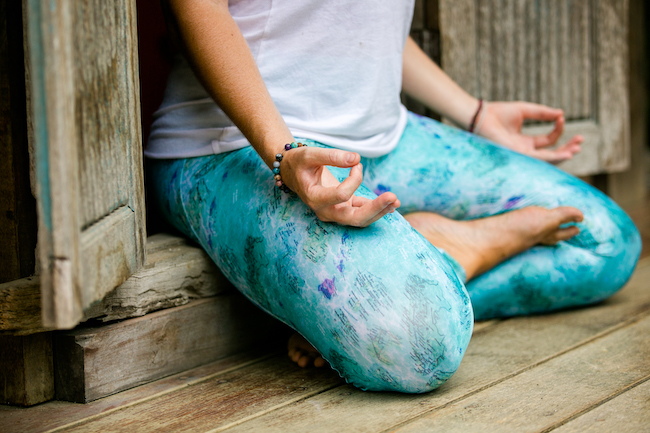
What is a Mudra:
A mudra is a symbolic hand gesture used in yoga that can enhance certain asanas. It’s thought that different areas of the hands are connected with areas in the body and the brain. Therefore, by placing our hands in different yoga mudras, we can stimulate different areas of the brain and body.
When You’ll Hear It: Mudras can be used in conjunction with mantras and breathing exercises to invoke powerful emotional releases and energetic qualities. Common mudras include touching together the thumb and pointer finger to make an OK sign and hands at chest level in prayer.
Why do People say Namaste:
Arguably one of the most widely recognized yoga phrases, Namaste is a Hindi word that literally translates into “bowing to you”.
When You’ll Hear It: Namaste is a sign of respect and admiration. It is typically exchanged by yogis and students at the beginning and end of class.
Why do People say Om in Yoga:
This is a chant or mantra commonly referred to as the “sound of the universe.”
When You’ll Hear It: Om is used at the beginning and end of yoga classes or as a mantra to bring a sense of grounding and presence to the mind and body.
What is an Outer Rotation:
Similar to inner rotation, outer rotation is a queue for students to twist limbs such as arms or legs so that they rotate away from the centerline of the body. Practicing this movement increases awareness of your yoga practice to encourage you to move deeper into each asana.
When You’ll Hear It: You’ll hear instructors use this queue if they want you to open up space in certain areas of the body. Poor posture can create problems such as hunched shoulders. For example, in Warrior 2, your instructor may encourage students to focus on outwardly rotating their biceps. This will help to bring the shoulders back and down to create more space in the chest and upper body.
What is Pranayama:
Pranayama is the focus of breath control and is the fourth “limb” of the eight limbs of yoga and the techniques come from the yogic teaching of ancient India.
The action of Pranayama consists of four discernible stages:
- Puraka (inhalation)
- Abhyantara kumbhaka (the mindful pause after inhalation)
- Rechaka (exhalation)
- Bahya Kumbhaka (the mindful pause after exhalation)
Noticing these four stages helps to enhance physical awareness and to force introspection. Therefore, helping to further along with practitioners on the path to enlightenment.
When You’ll Hear It: Pranayama techniques, such as alternate nostril breathing or kundalini breathing, can be used in any yoga class to help regulate the flow of energy through the body. Pranayama is more commonly incorporated in the Ashtanga and Hatha styles of yoga.
Where are your Sit Bones:
Your sit bones are the two pointy bones under the flesh of your buttocks – the bottom part of your pelvis.
When You’ll Hear It: In seated postures, you may be asked to adjust the flesh around your buttocks so that you are sitting comfortably and evenly on your sit bones.
What is Surya Namaskar:
Also known as Sun Salutations, this is a series of postures that follows a classic sequence, often incorporated in many yoga practices. Consider a salute to the sun, this sequence is beneficial for blood circulation, respiratory health, and digestion.
When You’ll Hear It: This sequence can be used at the beginning of yoga practices to warm up the body or practiced repeatedly as a practice of its own. Many people may often also practice surya namaskar in the mornings, just after waking up.
Getting to know these yoga phrases is a great way to introduce yourself to the world of yoga. Although there are hundreds and thousands of yoga phrases, these will ensure that your first class is a successful one!
About The Author, Yogi Aaron

Yogi Aaron is the founder and creator of Applied Yoga Anatomy + Muscle Activation™ (AYAMA), a revolutionary methodology that challenges conventional approaches to yoga. Using a science-backed approach, he prioritizes muscle activation over traditional stretching.
With over three decades of dedicated study, mentorship, and hands-on experience, he has established himself as a leading expert in yoga therapy, alignment, and pain-free movement.
As owner and operator of Blue Osa Yoga Retreat + Spa in Costa Rica, Yogi Aaron leads transformative programs that combine his expertise in yoga instruction, retreat facilitation, and wellness business operations. His work spans both in-person immersive experiences and digital education through The Yogi Club online platform and the AYAMA™ Certification Program.
Yogi Aaron’s teaching methodology represents a paradigm shift in modern yoga practice. AYAMA focuses on activating and engaging muscles to enhance range of motion, build strength, improve stability, and optimize alignment—while reducing pain and injury risk. This evidence-based approach has positioned him as a thought leader challenging the status quo in the yoga community.
His mission extends beyond the mat: to liberate individuals from chronic pain and guide them toward discovering yoga’s authentic purpose through intelligent, body-informed practice.
Learn more about training opportunities with Yogi Aaron at Blue Osa Yoga Retreat + Spa.
Read More about Applied Yoga Anatomy + Muscle Activation
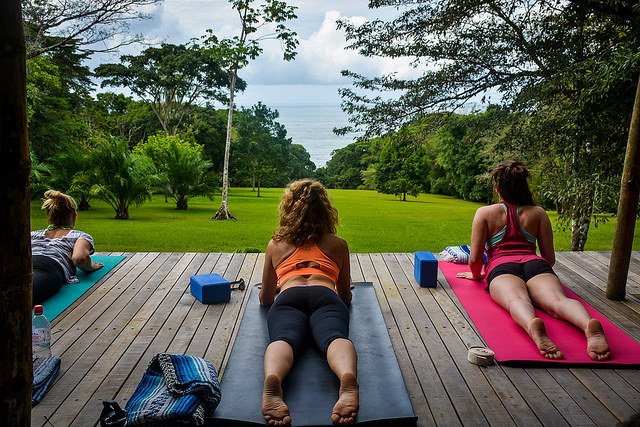

Book/Inquire Now
Got pain? This will help you!

YOU DESERVE TO LIVE PAIN-FREE...
Receive 7 short, simple, and effective practices to alleviate knee, hip, low back, neck, shoulder pain, and more!
All you need is 5 minutes per lesson and it's FREE!
This revolutionary approach to yoga is new, and no one else is teaching this! Since I created Applied Yoga Anatomy + Muscle Activation™ and started teaching it consistently, I've witnessed students heal long-standing injuries, access yoga postures they never thought possible, and tell me over and over again how their body just feels better.
I hope you'll join me on this journey!
~Yogi Aaron
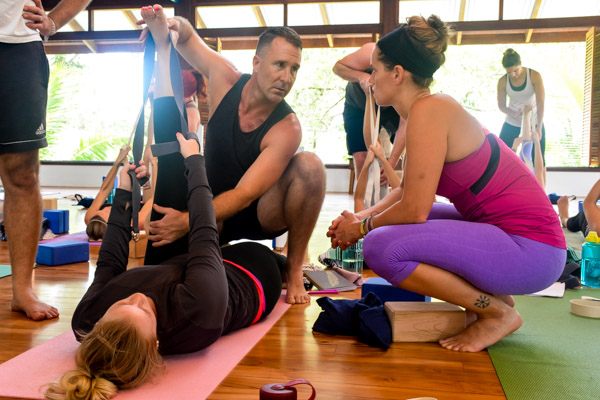
Is Yoga Teacher Training Right For Me?
We Created This FREE 5 Part Series So You Can Get All The Information To Make The Right Choice.
In this series, you will learn:
-
- Am I a candidate for yoga teacher training??
-
- What will I learn in a YTT?
-
- Do I need to have a perfect downward dog to attend YTT?
14-Day 200-Hour Yoga Teacher Training in Costa Rica
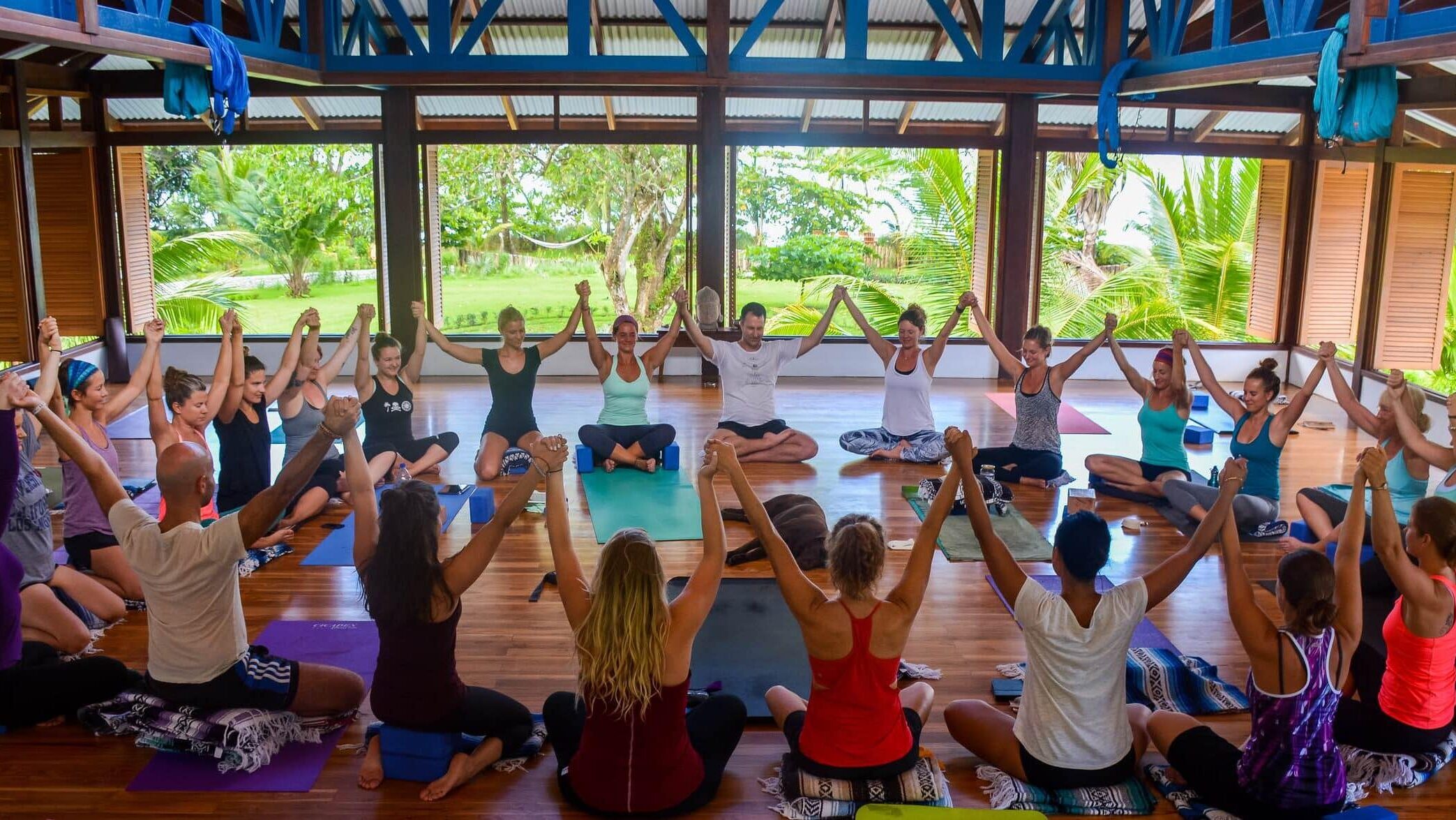
If you are looking for a 14-day 200 hour Yoga Teacher Training Costa Rica Immersion, you have landed in the right place. Join the next one!
300-Hour, 28-Day Yoga Teacher Training
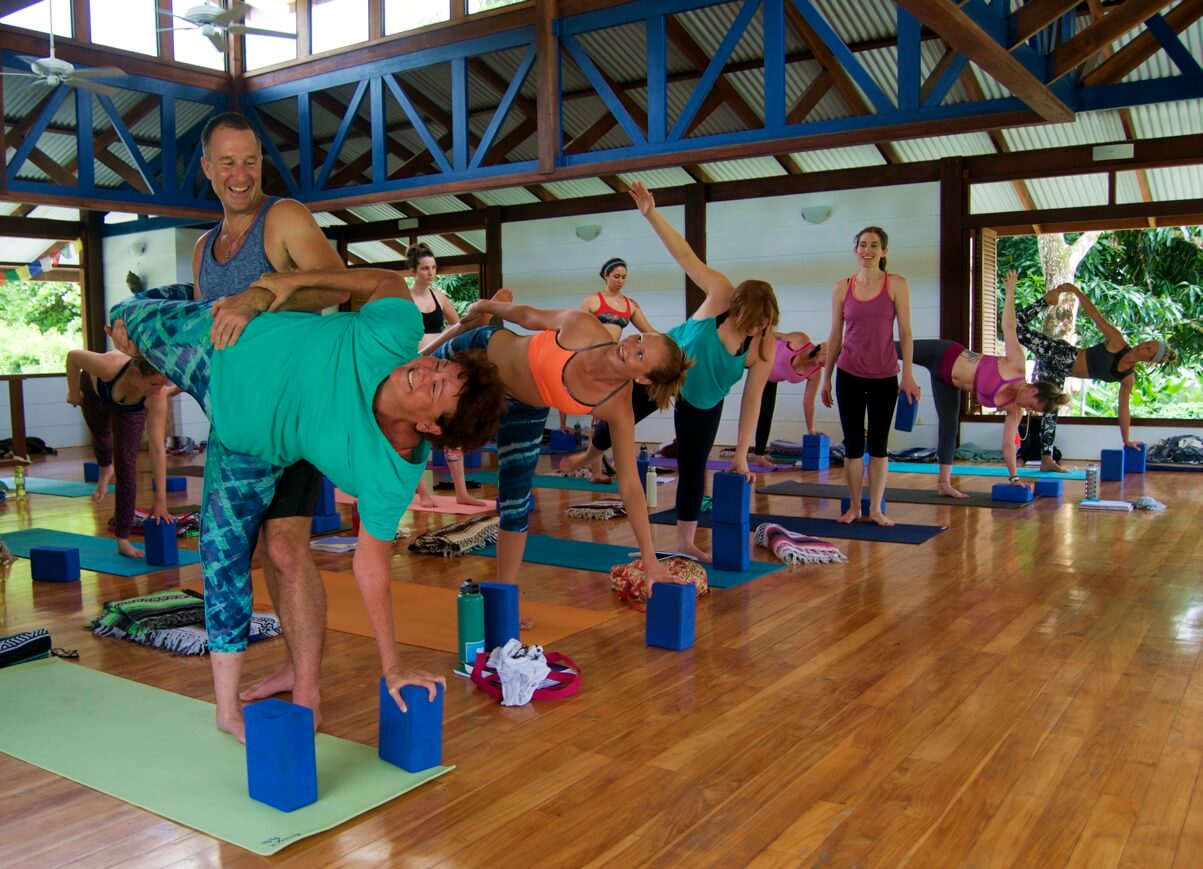
Do You Feel Called To Something Greater?
This 300-Hour Yoga Teacher Training immersion training at Blue Osa will immerse you in yoga for one month.
You will have the specific transformational skills and yogic practices you need in order to connect with your higher purpose.
And more! You will be able to offer these transformative skills to others!
