

Ready to become a yoga teacher but not sure where to begin?
You’ve probably been practicing for a while. Long enough to know yoga is doing something real in your life — to your body, your mind, the way you move through difficult days. And somewhere along the way the thought arrived: maybe I could share this with others.
But then come the questions.
Do you need to be at an advanced level before you start? How long does a yoga teacher training actually take? Which certification is worth the investment — and which ones aren’t? What does RYT 200 even mean, and does it matter to employers?
And then the quieter questions: Am I really cut out for this? Will I be a good teacher? What does a yoga teacher actually earn — and is there actually work out there?
These are the right questions to be asking. And they all have clear answers.
This guide walks you through every step of how to become a yoga teacher — from choosing the right style and completing your 200-hour certification to what happens the day after you graduate. We’ll cover what to expect, what to watch out for, and how to build a teaching career that actually supports your life.
Blue Osa’s immersive yoga teacher training in Costa Rica combines Yoga Alliance certification with exclusive Applied Yoga Anatomy and Muscle Activation™ training — a pain-free methodology you won’t find anywhere else.
Learn more about our 14-day and 28-day programs.
What This Guide Covers:
- Signs You May Be Ready to Become a Certified Yoga Instructor
- Steps to Earn Your Yoga Teacher Certification
- Choose a Yoga Style or Type of Yoga
- Complete a Yoga Alliance-Approved 200-Hour Yoga Teacher Training (YTT)
- Get Certified and Earn Your RYT to Teach Yoga
- What to Expect When You Teach Yoga in a Studio
- What to Know Before Starting a Yoga Training Program
- Blue Osa’s Yoga Teacher Training Programs in Costa Rica
Signs You May Be Ready to Become a Certified Yoga Instructor
Enjoying yoga classes and wanting to teach yoga are two different things. Before committing to a yoga teacher training, consider whether you’re truly ready for this next step.
First, assess your personal yoga practice. How much yoga experience do you currently have? Do you understand the fundamentals, or are you still building your foundation?

Beyond your yoga practice, being a yoga teacher requires skills outside the studio. You’ll need strong communication abilities to explain poses clearly and adapt to different learning styles. You’ll need patience and the ability to recognize what students need, even when they can’t articulate it themselves. And if you plan to teach independently, some business sense helps too.
If your goal is simply to deepen your own practice and understanding of yoga, certification can still be valuable. But if you want to teach, make sure that desire comes from genuinely wanting to help others improve their health and well-being, not just to show off your inversions on social media.
Steps to Becoming a Certified Yoga Teacher
1. Choose a Yoga Style or Type of Yoga
Hot yoga, Vinyasa yoga, Hatha yoga — there’s no shortage of types of yoga. Considering the diverse range of philosophies and approaches to yoga, it shouldn’t be surprising that most yoga teachers narrow their focus.
In fact, there are more than 20 different types of yoga, and they all require different skill sets. Some focus on spiritual healing, while others emphasize strength and development. Sure, there’s some crossover, but you’ll likely want to select your style of yoga.
At Blue Osa, our Yoga Alliance-certified program combines traditional yogic wisdom with revolutionary AYAMA™ methodology, offering you the fastest path to becoming a certified and safe yoga teacher.
That means you’ll master the fundamentals of yoga, including asana, pranayama, and meditation, while exploring the rich Himalayan Yoga Tradition.
Consider Specializations
Beyond choosing a primary style, many yoga teachers pursue specializations to serve specific populations or deepen their expertise. Common specializations include:
- Prenatal yoga: Teaching expectant mothers with safe, modified practices
- Yin yoga: Slow-paced, meditative practice focused on deep stretching
- Restorative yoga: Gentle, healing practices for stress relief and recovery
- Yoga for children: Adapting yoga techniques for young students
- Therapeutic yoga: Working with injuries, chronic pain, or specific conditions
Some specializations require additional credentials beyond your foundational 200-hour training.
At Blue Osa, students receive specialized training in AYAMA, Applied Yoga Anatomy and Muscle Activation, as a core part of the program.
2. Complete a Yoga Alliance Approved 200-Hour Yoga Teacher Training Program (YTT)
Anyone who wants to understand how to become a yoga teacher should start with a 200-hour yoga teacher training approved by the Yoga Alliance.
The Yoga Alliance is a nonprofit organization founded to better regulate the yoga industry by establishing standards that support the safe and accessible teaching of yoga. Their database contains thousands of Registered Yoga Schools (RYS) and Registered Yoga Teachers (RYT).

All of Blue Osa’s Yoga Teacher Training programs are Yoga Alliance Certified.
What You’ll Learn in a 200-Hour Training
Throughout your 200-hour training, you’ll learn about the health benefits associated with yoga while getting a thorough breakdown of essential topics:
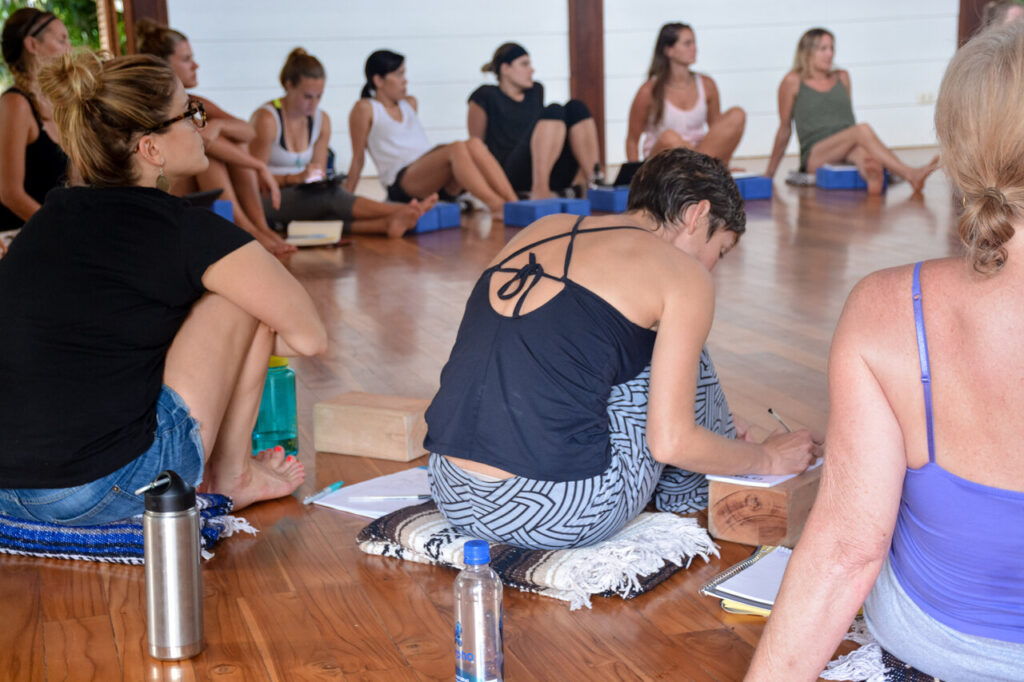
- Anatomy and physiology: Understanding how the body moves and functions
- Yoga philosophy: The history, origins, and traditional teachings of yoga
- Posture alignment: Proper form and modifications for poses like Warrior II, Downward Dog, and other foundational postures
- Teaching methodology: How to structure classes, cue effectively, and adapt to different students
- Sequencing: Building safe, logical flows that serve your students’ needs
The training includes hands-on practice sessions that challenge you physically while helping you learn how to teach with confidence and clarity.
Training Format Options
Many teacher trainings are available, and prices can vary greatly. Some programs are short, intensive, and immersive while others are more spread out, possibly only meeting on weekends, allowing you time to keep working at your current job until you become a recognized yoga instructor.
Online Yoga Teacher Training
Online training options have become more common. While some online yoga teacher trainings may not require the 200-hour training minimum, becoming qualified in this manner may limit your teaching opportunities, as these qualifications won’t be recognized by most professional yoga institutions.
Advanced Training: 300-Hour and 500-Hour Certifications
From your 200-hour yoga teacher training, you’ll be free to apply as a yoga instructor in most establishments. However, if you’re hoping to really boost your career and pursue advanced yoga instruction, you might want to opt for a 300-hour or 500-hour training — these are opportunities to learn advanced techniques and training methods.
3. Get Certified and Earn Your RYT to Teach Yoga
Once you complete your yoga teacher training, you’ll receive a Certified Yoga Teacher (CYT) credential and you’re legally allowed to start teaching.
However, if you want to be employable and teach yoga professionally, we recommend you register with the Yoga Alliance to earn your Registered Yoga Teacher (RYT) credential. While some employers don’t require RYT certification, being certified to teach yoga through the Yoga Alliance will make you stand out amongst your peers and lead to greater opportunities.
Start Your Yoga Teaching Journey with Blue Osa
Blue Osa’s 14-day, 200-hour yoga teacher training in Costa Rica offers an award-winning beachfront immersion on the Osa Peninsula. Our Yoga Alliance-certified program combines traditional yogic wisdom with hands-on teaching practice in a stunning tropical setting.
What To Expect When You Become a Yoga Instructor
Being a yoga instructor is not as easy as it may look. Although you may get the chance to set your own hours, you’ll often need to cater to your clients’ schedules.
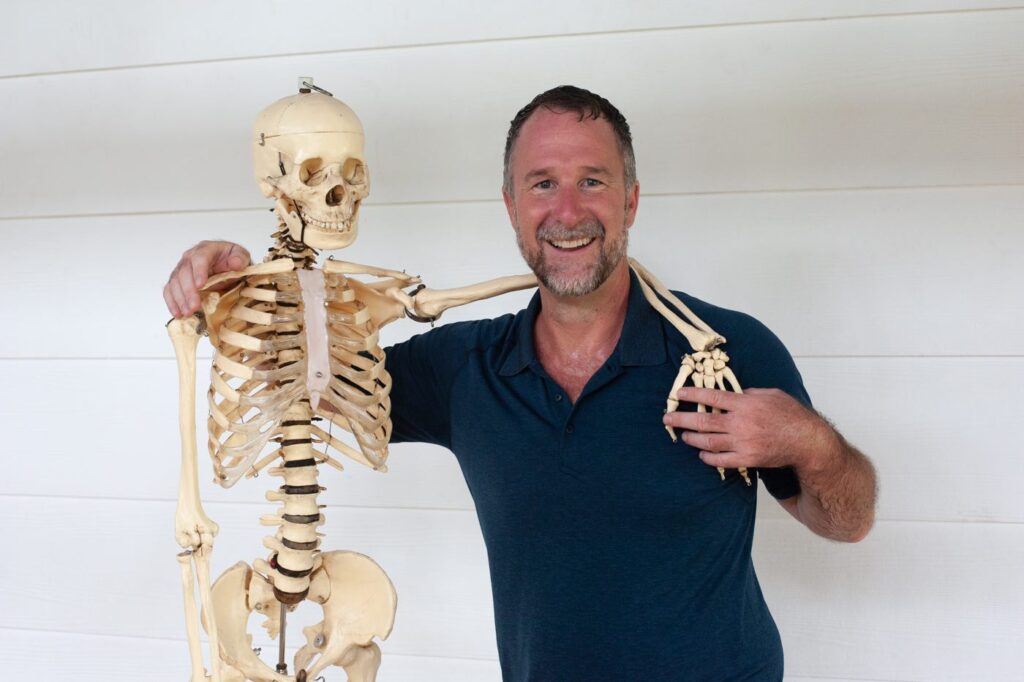
Your hours may vary quite a bit from week to week, so flexibility is essential.
Income and Financial Realities
You’ll most likely need to manage income fluctuation, where you may not know for certain how much money you’ll earn each month. Your salary may be hourly or based on commission, and your income will largely be dictated by the number of students and classes you teach.
When you’re just starting out as an instructor, you may have to work for several yoga studios or hold a second job in order to make ends meet until your business gains traction.
As you gain experience and build up your reputation, you may be able to make a generous income. Becoming a yoga instructor is one of those jobs where you earn based on how much effort you’re willing to put in.
At Blue Osa, we equip you with the tools you need to build a thriving yoga business, so you don’t feel lost when you leave your training.
Why People Choose a Yoga Teacher Training Course
Yoga seems to only be gaining popularity, so rest assured the need for instructors isn’t going anywhere anytime soon. The key is to become a qualified registered instructor, which will be more appealing to clients. Even more importantly, you should teach because you enjoy both yoga and helping others.
It has long been said that if you do what you love, you’ll never work a day in your life.
What to Know Before Starting a Yoga Training Program
One of the most frequently asked questions about yoga teacher training is whether or not you need experience. Here’s the good news…
You don’t need a certification to begin your training. You can dive right in and start working your way toward certification.
That said, most students have a consistent personal practice before enrolling. They’ve already got the basics down, so now they’re taking their skills to the next level.
All training sessions are designed to challenge you, so take time to clarify your goals before committing to any 200 or 300-hour program. Whether you plan to teach or simply strengthen your practice, knowing your intention will help you choose the right program.
What Comes After Yoga Teacher Certification
Completing your yoga teacher training course is just the beginning. Here’s what to expect as you transition from student to teacher.
Obtain Liability Insurance
Before you start teaching, you’ll need liability insurance to protect yourself professionally. Most yoga studios require proof of insurance before hiring instructors.
Yoga Alliance membership includes access to affordable liability insurance options, or you can purchase coverage independently through providers specializing in yoga instruction.
Gain Teaching Experience
Your yoga teacher starts with building real-world experience. Here are practical ways to develop your teaching skills:
- Volunteer teaching: Offer free classes at community centers, libraries, or nonprofit organizations
- Assist experienced teachers: Shadow and support established instructors to learn classroom management
- Lead practice sessions: Start with friends, family, or small groups to build confidence
- Teach at multiple venues: Gain experience in different settings like yoga studios, gyms, corporate offices, or online platforms
The more you teach, the more comfortable you’ll become adapting to different students, managing class dynamics, and refining your teaching style.
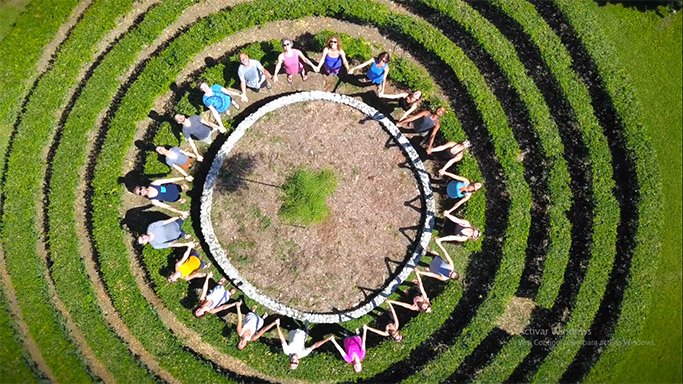
During Blue Osa’s yoga teacher programs, you gain extensive experience leading classes, along with hands-on, practical instruction. The focus is on teaching in real time, refining your voice, and understanding how to work with different bodies, so you leave ready to teach with confidence from day one.
Continuing Education
The best yoga teachers never stop learning. Yoga Alliance requires registered yoga teachers to complete continuing education hours to maintain credentials. Advanced instruction opportunities include:
- 300-hour advanced yoga training (building toward 500-hour)
- Specialized workshops in anatomy, adjustments, or specific yoga styles
- Business and marketing courses for yoga teachers
- Meditation and pranayama (breathwork) trainings
Continuing education helps you stay current, deepen your understanding of yoga, and offer more value to your students.
Blue Osa’s Yoga Teacher Training Programs in Costa Rica
Whether you’re looking to teach professionally or deepen your personal practice, Blue Osa offers quality training that combines traditional yoga with innovative, science-backed methodology.
Why Blue Osa for Your Yoga Teacher Training
Blue Osa consistently ranks as one of Costa Rica’s top-rated yoga teacher training programs

What sets us apart is AYAMA™ (Applied Yoga Anatomy + Muscle Activation) — a revolutionary approach created by Yogi Aaron that focuses on activating and engaging muscles rather than stretching them. This science-backed technique helps students eliminate physical pain, access yoga postures they never thought possible, and build sustainable, pain-free practices. You can’t learn AYAMA anywhere else.
Our programs give you the unique opportunity for training in-person at a stunning beachfront location on Costa Rica’s Osa Peninsula, far from daily distractions so you can focus on learning the skills to become an effective yoga teacher.
14-Day 200-Hour Yoga Teacher Training Program
Our 14-day, 200-hour yoga teacher training is a fully immersive experience that builds a rock-solid foundation through muscle activation practices.

The program includes:
- Complete 200 hr yoga teacher training curriculum
- Daily yoga practice and teaching training
- Yoga philosophy, anatomy, and yoga techniques
- Full accommodations at our beachfront retreat
- Three organic meals per day
- Small class sizes for personalized attention
This yoga program is approved by the Yoga Alliance and designed to help you learn how to teach with confidence while building your own personal yoga practice.
28-Day 300-Hour Yoga Teacher Training Program
Our 28-day, 300-hour yoga teacher training is an unforgettable beachfront immersion for aspiring yoga teachers ready for advanced training. This 500-hour training (when combined with your 200-hour certification) combines RYT 300 certification with advanced AYAMA methodology.
Built for people who want to immerse themselves fully in yoga education, this training is slow, methodical, and highly specialized. Students disconnect from daily stress and find their center while learning advanced yoga techniques and deepening their practice and understanding of yoga.
The program is registered with Yoga Alliance and includes full accommodations and meals made using home-grown organic ingredients. If you’re looking for long-lasting sustainable transformation and want to learn to teach at the highest level, this is the yoga teacher training course for you.
Frequently Asked Questions On How to Become a Yoga Teacher
Do I need to be able to do advanced yoga postures to be a yoga instructor?
No. While a consistent personal practice is important, you don’t need to master advanced poses to instruct yoga effectively. Good yoga instruction focuses on understanding alignment, anatomy, and how to lead others in yoga safely to students at all levels.

How long does it take to get certified to teach yoga?
The minimum requirement is completing a 200-hour yoga teacher training, which can take anywhere from 14 days in an intensive immersion format to several months in a part-time or weekend program. The hours of training you complete depend on the format you choose.
How much does yoga teacher training cost?
Training programs available vary widely in price, typically ranging from a few thousand dollars to more than $5,000 depending on the program length, location, and what’s included. Many schools offer payment plans to make quality training more accessible.
Do I need to quit my job to complete yoga teacher training?
Not necessarily. Many programs offer flexible formats including weekend programs, online training, or hybrid options that allow you to continue working. Immersive programs require taking time off but offer the benefit of focused, uninterrupted learning.
What’s the difference between RYT-200 and RYT-500?
RYT stands for Registered Yoga Teacher. RYT-200 means you’ve completed a 200-hour yoga teacher training. RYT-500 means you’ve completed an additional 300-hour training (500 total hours). The 500 hour training represents advanced instruction and deeper expertise.
Your Path to Becoming a Yoga Instructor
Learning how to become a yoga teacher combines personal growth with professional development. Every step — choosing your style, completing your certification, gaining real teaching experience — builds the foundation you’ll draw on for the rest of your career.
The quality of your training determines the quality of your teaching. Look for programs that prioritize comprehensive anatomy education, hands-on teaching practice, and methodologies that help you teach yoga safely and effectively from day one.
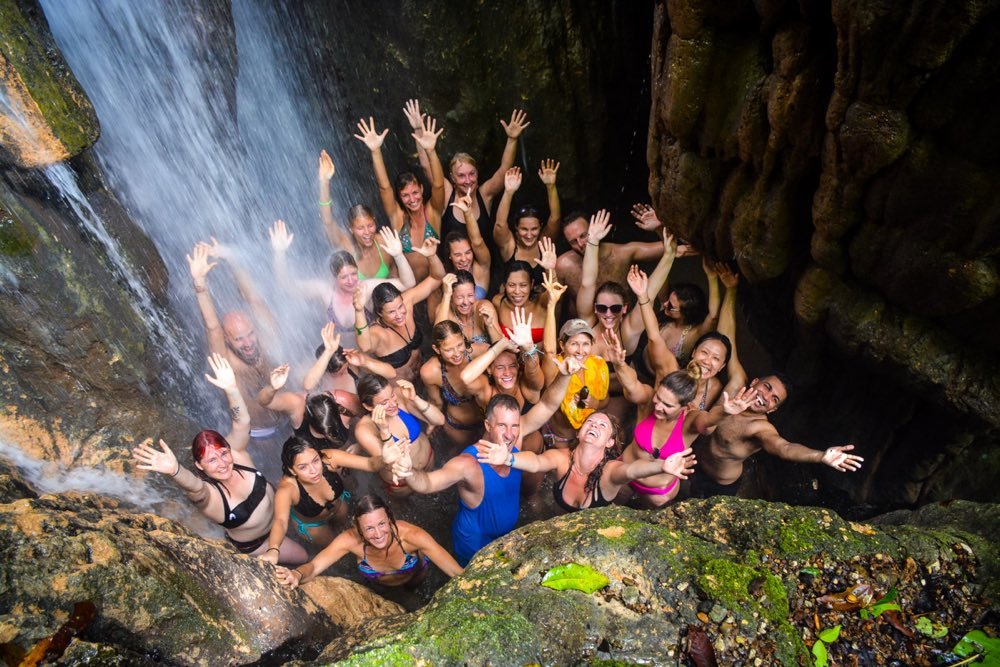
At Blue Osa on the Osa Peninsula in Costa Rica, that’s exactly what we’ve built. Our programs combine Yoga Alliance certification with AYAMA — Applied Yoga Anatomy + Muscle Activation — a science-backed methodology developed by Yogi Aaron over 30 years of teaching that you cannot learn anywhere else.
Whether you’re starting with our 14-day 200-hour immersion or deepening your skills through our 28-day 300-hour advanced training, you’ll leave with the confidence, tools, and community to teach yoga in a way that genuinely changes people’s lives.
The next step is simpler than it feels right now.
About The Author, Yogi Aaron
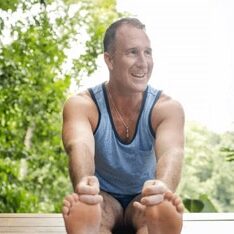
Yogi Aaron is the founder and creator of Applied Yoga Anatomy + Muscle Activation™ (AYAMA), a revolutionary methodology that challenges conventional approaches to yoga. Using a science-backed approach, he prioritizes muscle activation over traditional stretching.
With over three decades of dedicated study, mentorship, and hands-on experience, he has established himself as a leading expert in yoga therapy, alignment, and pain-free movement.
As owner and operator of Blue Osa Yoga Retreat + Spa in Costa Rica, Yogi Aaron leads transformative programs that combine his expertise in yoga instruction, retreat facilitation, and wellness business operations. His work spans both in-person immersive experiences and digital education through The Yogi Club online platform and the AYAMA™ Certification Program.
Yogi Aaron’s teaching methodology represents a paradigm shift in modern yoga practice. AYAMA focuses on activating and engaging muscles to enhance range of motion, build strength, improve stability, and optimize alignment—while reducing pain and injury risk. This evidence-based approach has positioned him as a thought leader challenging the status quo in the yoga community.
His mission extends beyond the mat: to liberate individuals from chronic pain and guide them toward discovering yoga’s authentic purpose through intelligent, body-informed practice.
Learn more about training opportunities with Yogi Aaron at Blue Osa Yoga Retreat + Spa.
Check out these other popular posts!

Tags:
Book/Inquire Now
Got pain? This will help you!

YOU DESERVE TO LIVE PAIN-FREE...
Receive 7 short, simple, and effective practices to alleviate knee, hip, low back, neck, shoulder pain, and more!
All you need is 5 minutes per lesson and it's FREE!
This revolutionary approach to yoga is new, and no one else is teaching this! Since I created Applied Yoga Anatomy + Muscle Activation™ and started teaching it consistently, I've witnessed students heal long-standing injuries, access yoga postures they never thought possible, and tell me over and over again how their body just feels better.
I hope you'll join me on this journey!
~Yogi Aaron
Is Yoga Teacher Training Right For Me?
We Created This FREE 5 Part Series So You Can Get All The Information To Make The Right Choice.
In this series, you will learn:
-
- Am I a candidate for yoga teacher training??
-
- What will I learn in a YTT?
-
- Do I need to have a perfect downward dog to attend YTT?
14-Day 200-Hour Yoga Teacher Training in Costa Rica
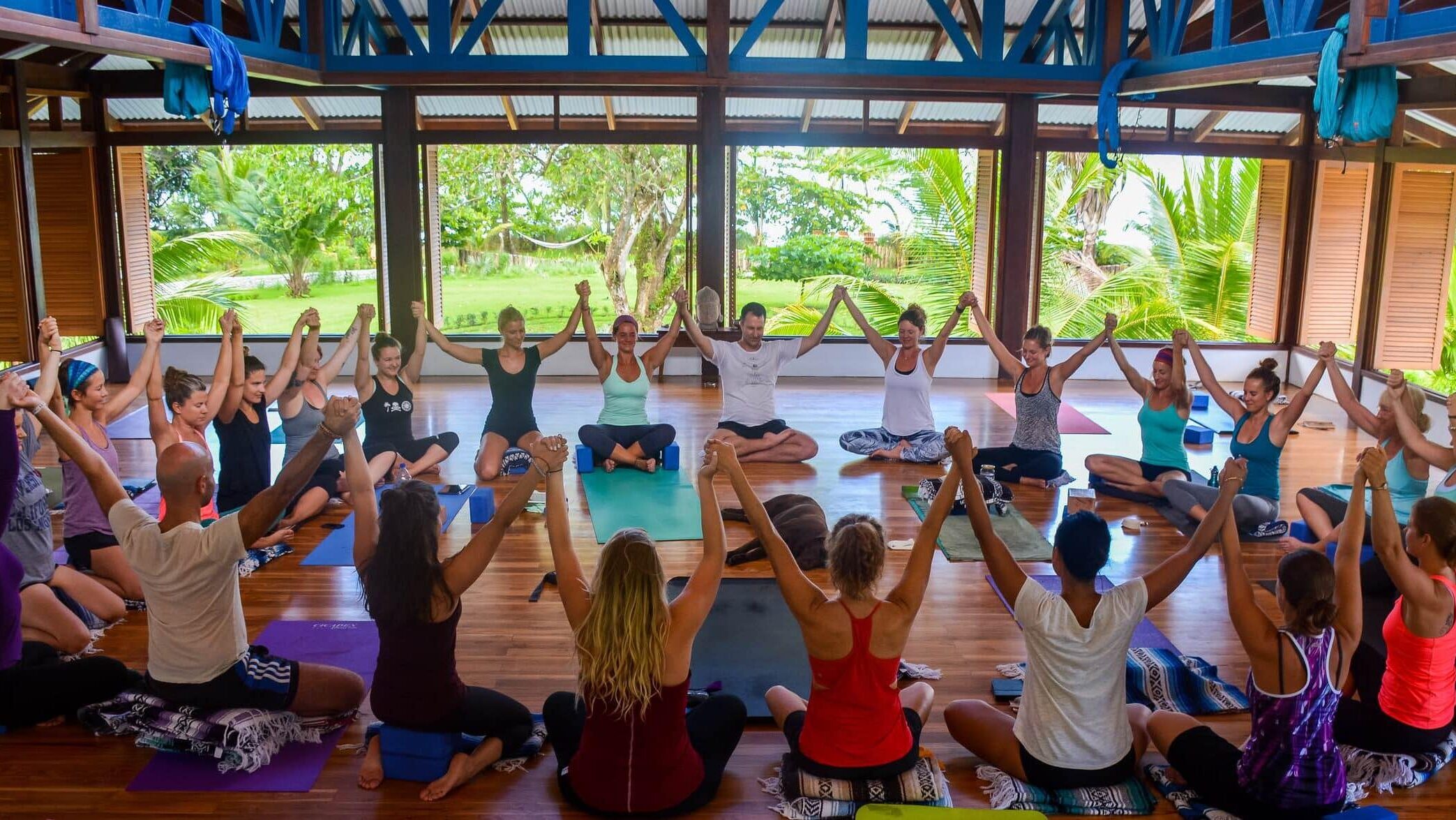
If you are looking for a 14-day 200 hour Yoga Teacher Training Costa Rica Immersion, you have landed in the right place. Join the next one!
300-Hour, 28-Day Yoga Teacher Training
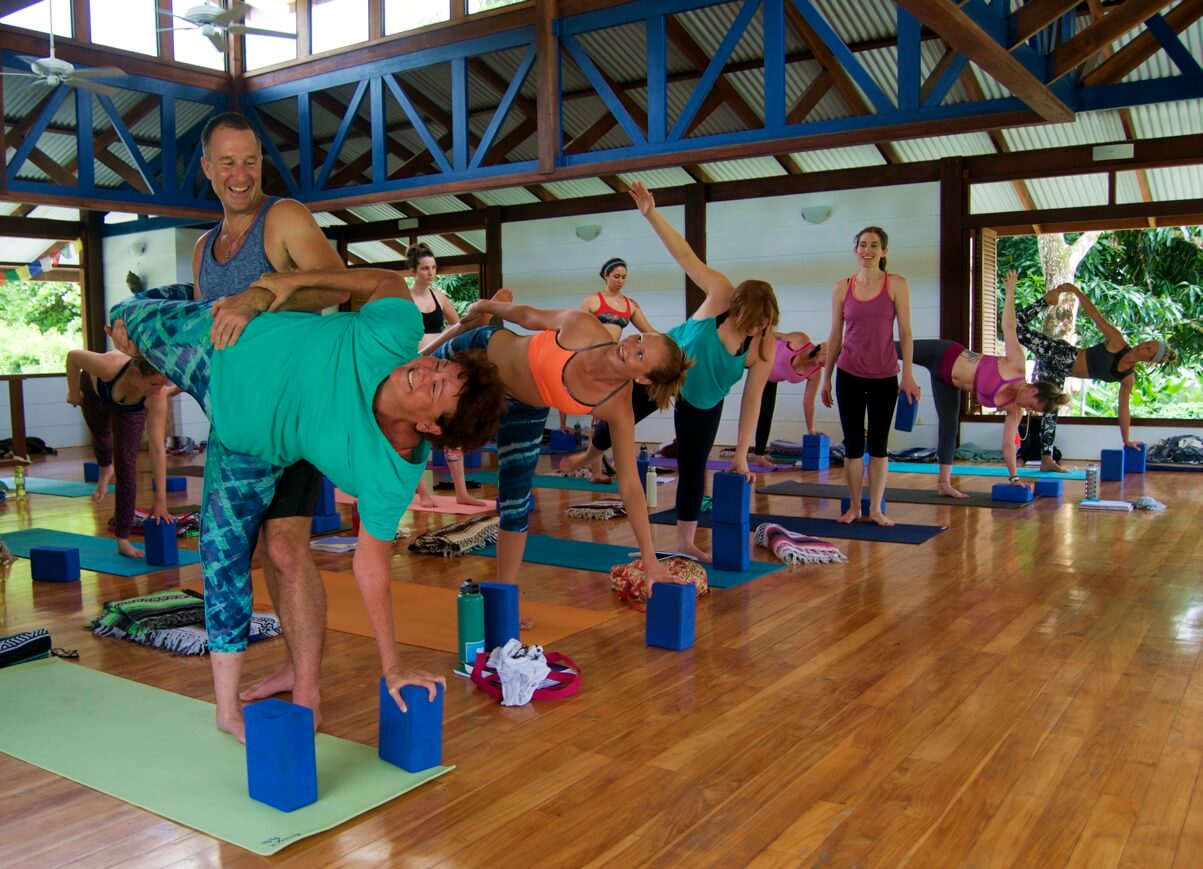
Do You Feel Called To Something Greater?
This 300-Hour Yoga Teacher Training immersion training at Blue Osa will immerse you in yoga for one month.
You will have the specific transformational skills and yogic practices you need in order to connect with your higher purpose.
And more! You will be able to offer these transformative skills to others!
